
Scooch Case Study
UMMs in ProductionThe Last Parking App. Period.
An app for the consumer, not just the parking vendor
The Problem
Today, parking is fragmented. There is no unified way for drivers to find and pay for parking across cities or vendors. Instead, users are forced to download and manage a patchwork of parking apps – often more than ten in a single major U.S. metro area. This lack of interoperability wastes time, creates friction at the moment of parking, and clutters users' phones with redundant tools.
The Solution
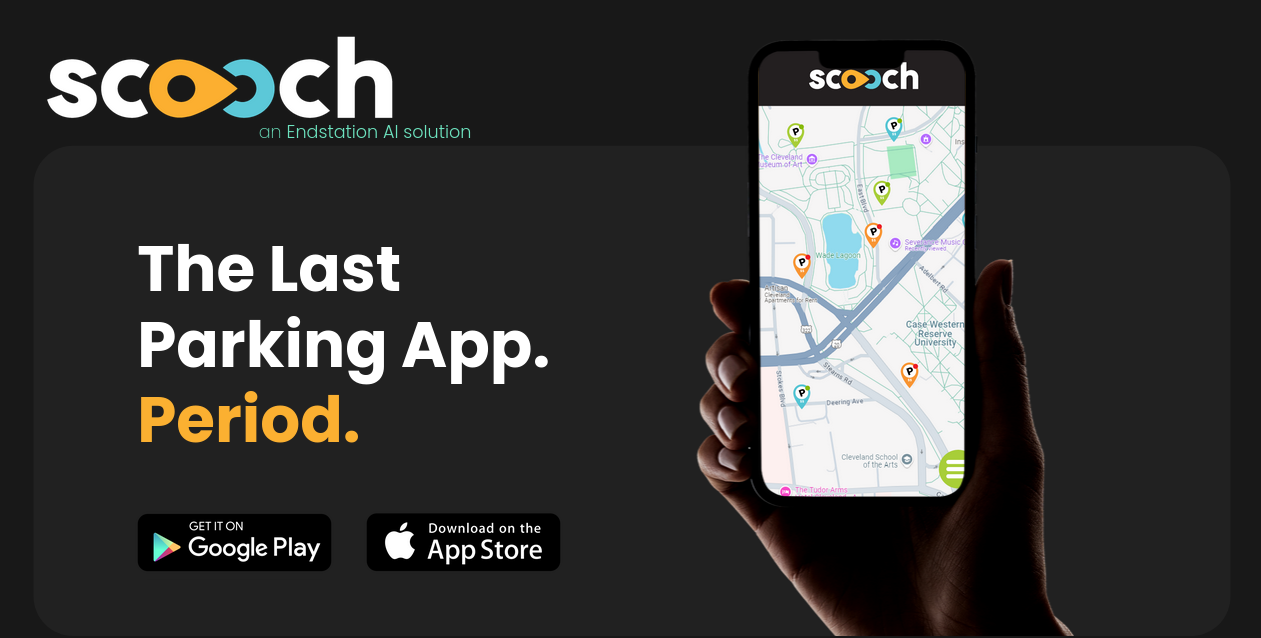
Scooch was built to solve this problem from the consumer's perspective. It is an all-in-one parking app that allows users to discover and pay for parking without needing to know, or care, which parking operator is behind a given location.
Scooch is also the first real-world deployment of Endstation's Ultimate Macro Machine (UMM) technology, showcasing how AI micro agents can eliminate repetitive, tedious tasks outside controlled enterprise environments.
How UMMs Power Scooch
Ultimate Macro Machines combine the strengths of traditional automation, modern AI, and human oversight. The architecture merges:
The speed and reliability of Robotic Process Automation (RPA)
The flexibility and contextual understanding of Large Language Models (LLMs)
The assurance of selective human oversight
Together, these capabilities allow Scooch to operate across disparate parking systems with minimal user friction.
UMMs in Action: The Scooch Workflow
Scooch relies on multiple specialized UMMs working together:
Auth UMM
Handles authentication across multiple parking vendors, adapting to different login flows and credential requirements without forcing the user to manage separate accounts.
Checkout UMM
Automates pricing validation, payment execution, and confirmation across vendor systems, ensuring fast and reliable transactions.
Scraper UMM
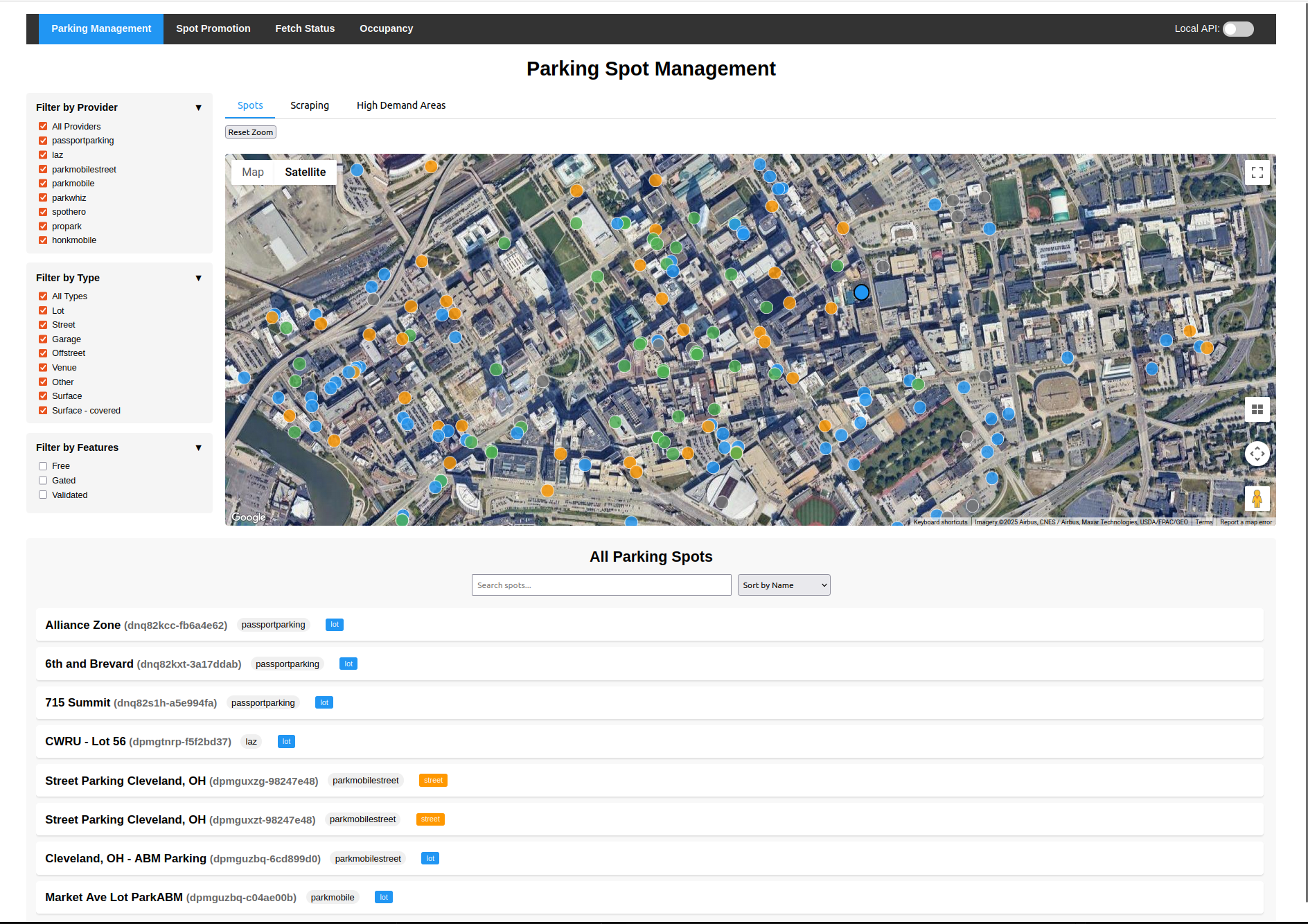
Collects and normalizes parking availability, rates, and rules from fragmented vendor interfaces in real time.
Under the hood, these UMMs follow a consistent operating model:
Decompose the parking workflow into the smallest possible sub-tasks (e.g., identify location, retrieve pricing, authenticate, submit payment).
Automate deterministic steps using reliable, rules-based automation.
Route judgment calls – such as ambiguous inputs or edge cases – to AI or human oversight as appropriate.
Reassemble the results into a single, seamless end-to-end experience for the user.
The Outcome
By applying UMM technology, Scooch removes the need for users to juggle multiple parking apps, credentials, and payment flows. The result is a faster, simpler, and more human-centric parking experience – while demonstrating how AI Action Agents can operate reliably in complex consumer environments.
Scooch is not just a parking app; it is a real-world demonstration of how UMMs can solve real world problems.